Case study 04
Reliable creative AI after the demo.
A workflow that works in a demo can fail with a real team. Enterprise creative users care about speed, repeatability, cost, observability, permissions, and support.
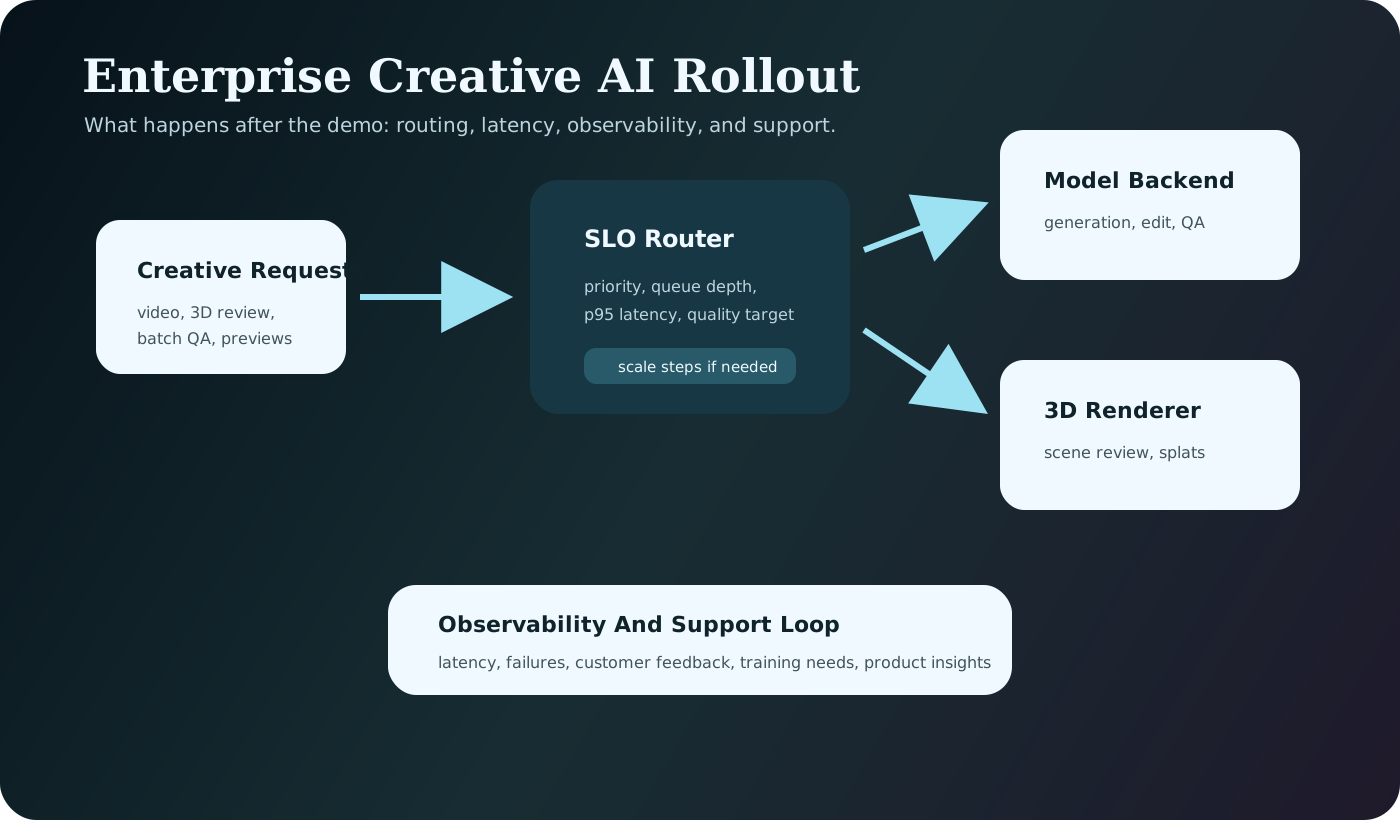
The workflow.
Enterprise adoption depends on trust: latency, fallback behavior, observability, and clear expectations when usage spikes.
- Define the expected workload: video generation, scene rendering, batch comparison, or review.
- Set service goals: latency, throughput, cost, quality level, and acceptable degradation.
- Route work across model backends or rendering backends.
- Monitor p50, p95, p99 latency, queue depth, and failures.
- Adjust quality or step count during load while preserving the user experience.
The related repo demonstrates SLO-aware routing, queue behavior, latency tracking, Redis-backed state, and production-oriented metrics.
- Normal load versus traffic spike.
- Full-quality render versus responsive degraded render.
- Queue visualization for multiple users.
- Latency graph before and after routing decisions.
"The creative workflow is not just a prototype. Here is how it can scale across teams with clear reliability and support expectations."
Product insight.
This workflow clarifies which quality degradations users tolerate, where latency breaks creative flow, and which infrastructure signals should stay internal versus visible to creative teams.