Training proof
I can teach the workflow, not just pitch it.
This page is a customer-facing training surface: how I would onboard a creative team, reduce prompt chaos, and turn vague taste feedback into repeatable operating habits.
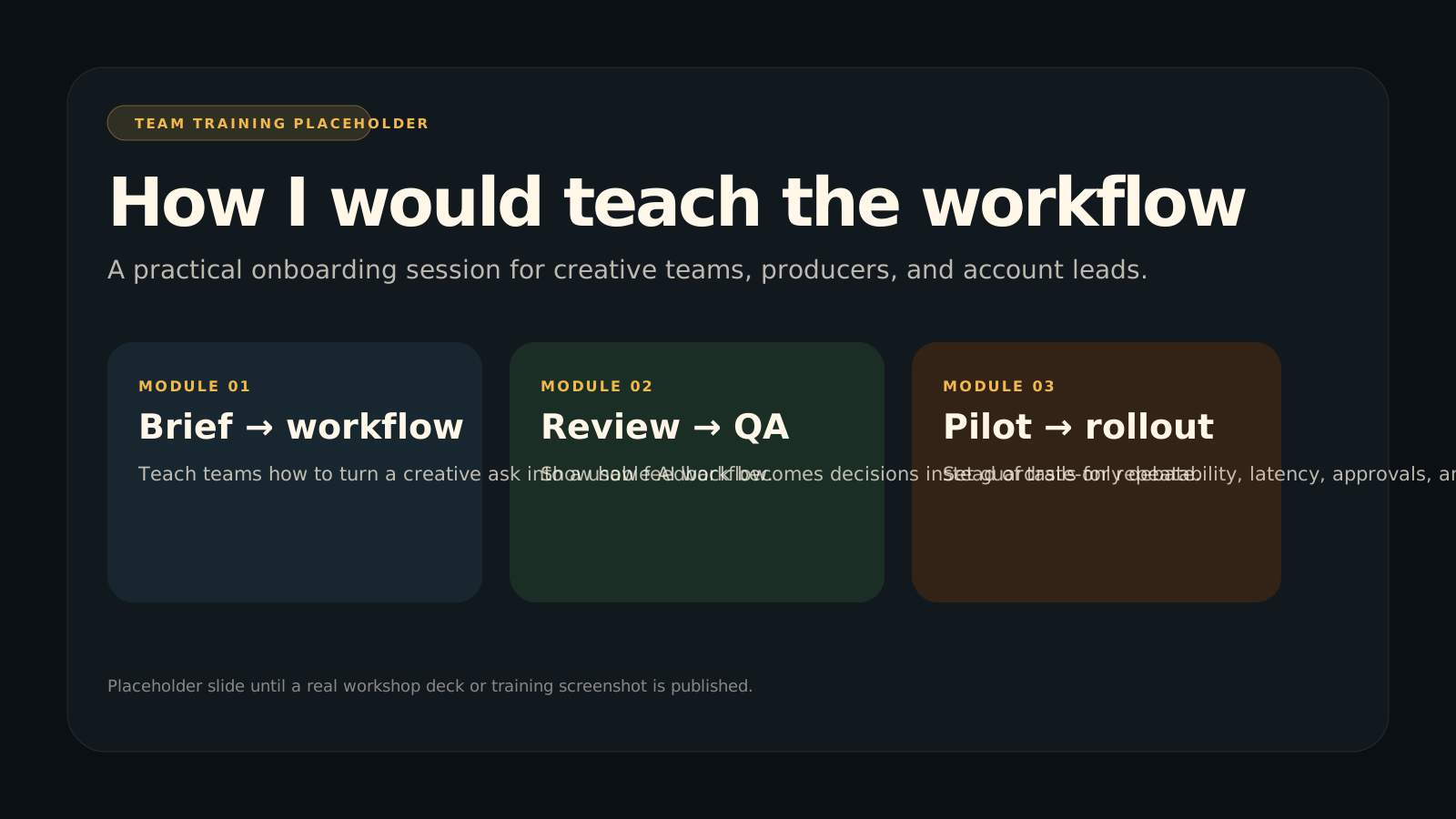
It proves the teaching layer. A strong Creative Workflow Architect does not only demo the product. They structure how a team learns it, what they should notice, and how they avoid wasting time on brittle prompts.
What I would teach first.
Teams rarely need more features first. They need a clearer mental model for what the workflow is for, what quality means, and how to decide when an output is ready to move forward.
Brief to workflow
Translate a creative ask into references, constraints, and the exact question the model is helping answer.
Review to QA
Show teams how to move from "this feels off" to explicit labels around continuity, motion, instruction fit, and editorial usability.
Pilot to rollout
Teach when a workflow is ready to leave experimentation and how ownership, latency, approvals, and risk should be scoped.
Grounded, not hypey
Start from the team’s actual bottleneck, keep prototype claims explicit, and show one useful path before showing more options.
Workshop agenda.
This is designed to read like something a hiring manager could imagine you leading on day one with an enterprise customer.
- 0:00-0:10 Align on the brief, the delivery format, and the failure modes the team already cares about.
- 0:10-0:20 Walk through one workflow from brief to output, with one live demo surface instead of a tool tour.
- 0:20-0:30 Review two outputs side by side and convert subjective notes into explicit QA language.
- 0:30-0:40 Decide what belongs in a pilot, what still needs human review, and where the workflow should stop.
- 0:40-0:45 Close with team ownership, next steps, and what evidence would make the workflow worth expanding.
"Teaching is part of the product. A workflow is only useful when the team knows how to judge it together."